Flexible Work for Military Spouses
In my first article, I shared the highs and lows of finding work as a military spouse in Belgium. My second article detailed how a volunteer opportunity transformed into an entrepreneurial adventure upon returning to the U.S. In this article, I dive deeper into my broader career journey, highlighting why flexible and remote work isn’t a perk but a necessity for a military spouse to maintain a career.
My career path has not been a straight line; it’s done some circles, been up and down, and even gone backwards. From the moment I married my sailor right after college, I knew work would be an adventure filled with obstacles. At his first assignment, with only a year in one place, I applied for temporary jobs without success. The next three moves saw me using staffing agencies and Craigslist for work that fit around our lives, but the constant moving made long-term career planning nearly impossible.

The Employment Challenge:
- Unemployment rates: The Blue Star Families 2023 Military Lifestyle Survey reports a 22% unemployment rate of military spouses. This is not a big fluctuation from their 2016 survey reporting that the unemployment rate was 21%.
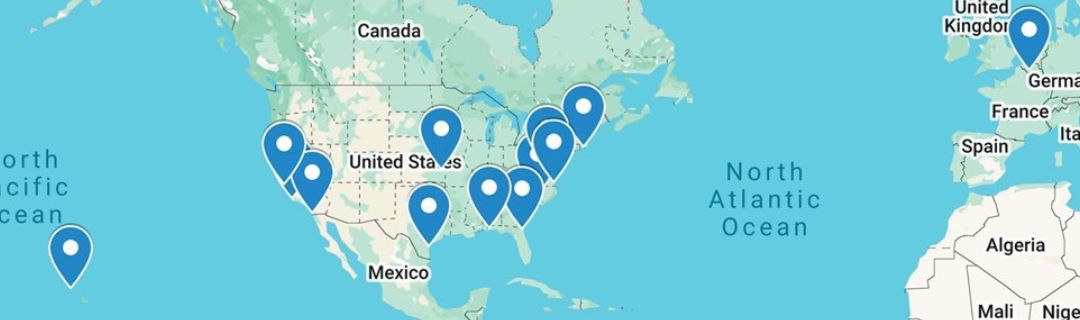
- Career Issues: In the 23 years I have been married to my sailor, we have moved 14 times, that is, every 20 months. Moving every 20 months doesn’t allow for long-term employment or business growth.
- Job Transience: My husband’s fifth assignment pushed me towards entrepreneurship with an e-commerce PC business on the East Coast. However, when we moved back East for his seventh assignment, I explored freelancing through Elance (now Upwork), seeking work that could travel with us.
The Need for Flexibility:
Flexible and remote work is vital for a successful career for a military spouse.
- Adaptability: Spouses need jobs that can move with them, CONUS (Continental United States) and/or OCONUS (Outside Continental United States).
- Economic Impact: As Wells Fargo highlighted in this published article, the “elevated rates of joblessness and under-employment among military spouses is a major reason for the widening income gap.” The recent 14.5% pay increase for junior enlisted in 2025 is a step forward.
- Retention and Satisfaction: The DoD’s recognizes “Spouses’ Earning Potential” in The 14th Quadrennial Review of Military Compensation as a factor in whether families choose to continue with military life.
My Evolving Career:
I’ve pivoted from temporary roles to entrepreneurship and then to volunteer work with organizations supporting military families since 2008. Each move has taught me the value of adaptable work. The journey had been a career struggle, especially evident during our time in Belgium.
Advocacy and Action:
- Policy Change: I advocate for updates in SOFA and NATO SOFA agreements to enhance employment opportunities for spouses abroad, as discussed in my first article.
- Collaboration: I invite businesses to collaborate with military families and create an environment for remote work so that both the organization and the military community benefit.
Fellow military spouses, how have you navigated flexible or remote work options? Companies, what are your experiences and challenges with hiring military spouses with flexible work options? Let’s open the discussion so we can nurture collaboration for both sides.
Originally published on LinkedIn on February 17, 2025. [Read it here]