Reflections of a Navy Spouse: Navigating Invisibility, Advocacy, and Resilience
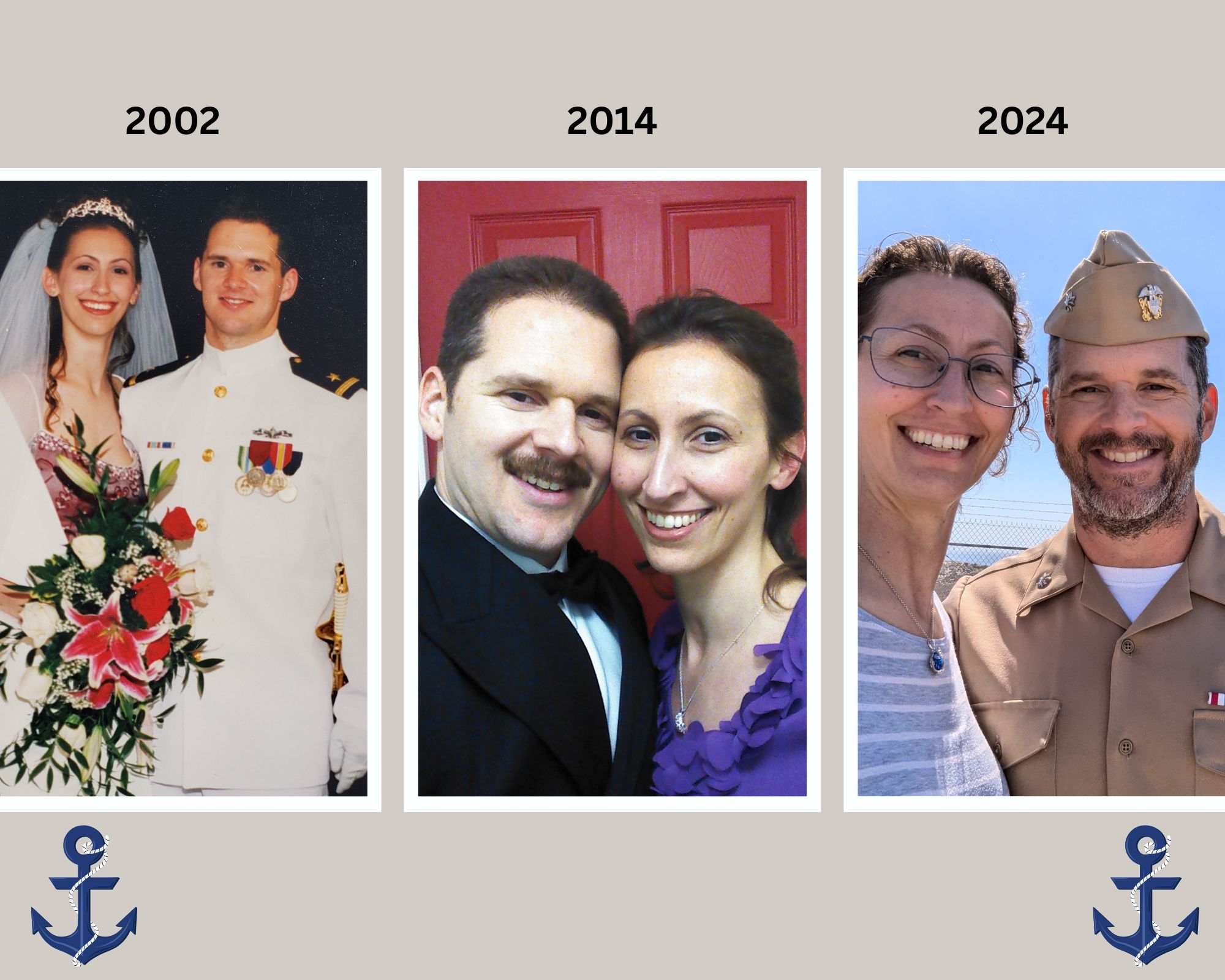
I’m a Navy spouse of 23 years. I’ve worn many hats—volunteer, advocate, entrepreneur, and what I like to call a “domestic engineer.” I was not raised in a military family, so marrying into a world of acronyms, frequent moves, and an identity often overshadowed by my husband’s service. Today, from our home at Vandenberg Space Force Base, where we’ll stay until his retirement, I run my own business providing executive assistant and consulting services to entrepreneurs. I also founded Homefront Hustle, a 13-week one-on-one mentorship program empowering others to launch virtual assistant or consulting businesses from anywhere. However, this path wasn’t straightforward; it has been shaped by surprises, struggles, and hard-won triumphs.
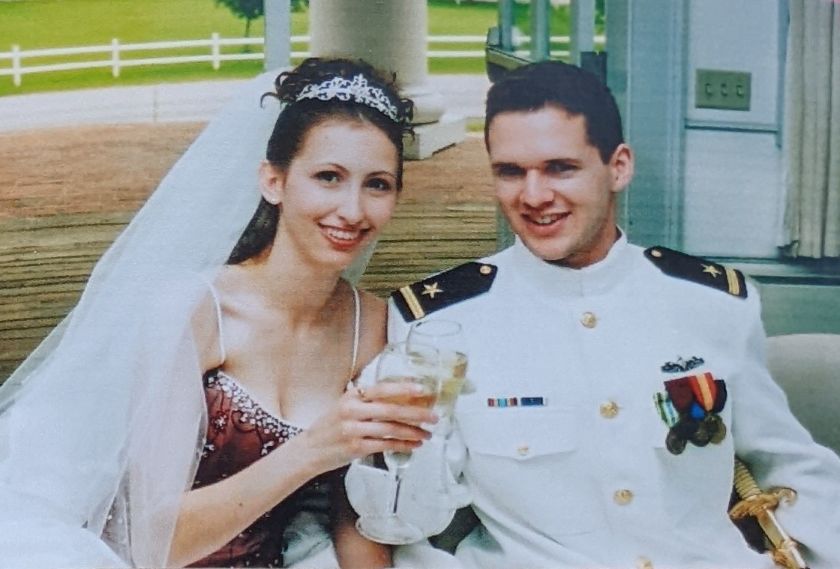
What surprised me most when I became a military spouse was how everything was tied to my sailor — not me. Whether I was setting up a doctor’s appointment, registering with a dentist, or checking in with an optometrist, it was always his Social Security Number they needed, not mine. I didn’t feel like I or my identity existed in those systems. This invisibility extended to bigger moments, too. When we were moving to Hawaii after four years of marriage, the military prepared a flight itinerary for my husband — but not for me. We had to scramble in the middle of leave prior to the move to fix it, and I couldn’t help wondering: Didn’t anyone notice the ring on his finger? In that moment, I felt completely invisible — like my existence in this lifestyle was an afterthought.
This sense of being overlooked fueled my advocacy. I led efforts supporting the Military Spouses Residency Relief Act (MSRRA) by launching a Facebook page that connected thousands of advocates who contacted state officials to co-sponsor the bill. The combined efforts of sponsors and the MSRRA Coalition helped make that legislation a reality. MSRRA allowed spouses to maintain their legal residence for taxes and voting during PCS moves, as long as ties to that state are proven. It was a game-changer, easing the financial and emotional strain of constant relocations. Building on that, I started the Championing for Military Spouse Employment page to spark discussions and actions around better job opportunities. Employment has been my biggest hurdle; military support services have been hit-or-miss, often failing to address the real barriers leading to high unemployment rates among spouses. Financial stability isn’t just about money—it’s tied to our mental and emotional well-being.
Mental health challenges have been another silent battle. I’ve struggled with anxiety, burnout, and depression. I dealt with intense anxiety when my sailor had “arduous sea duty” and I was diagnosed with an autoimmune disease. I felt burned out during our overseas PCS when we didn’t get our flight details until just three days before our departure, while our household goods and vehicle were already en route — and this all happened during the height of COVID-19. After I left my job in Belgium and tried to find a new one, I got more rejection letters than I had my entire time as a military spouse. That was incredibly discouraging and left me feeling like I had lost my sense of worth. I recognized the mental health struggles on my own and turned to Military OneSource for counseling, which gave me tools and resources I can turn to when things get difficult or when I need to feel grounded. We need to talk more about challenges. I think there are fewer conversations about the spouse side of military life because the military isn’t currently in the spotlight. The country isn’t in “war mode,” so people aren’t thinking as much about what military families go through. It feels like military spouses only get attention when there’s a crisis. But the daily struggles — those are ongoing and often overlooked.
One of my most memorable PCS experiences captures both the grit and unexpected grace of this life. In 2015, with my husband deployed, I handled a solo cross-country move from San Diego to Virginia. Four days of driving, including a tense stretch on I-10 through Phoenix amid reports of a freeway shooter. My grandmother’s warnings had me on edge, but the road revealed something beautiful: drivers were patient, alert, and kind—no road rage, just shared caution. Nothing happened, and that unspoken community stuck with me as a reminder of resilience in uncertainty.
If I could create one support tool, it would be a realistic, plain-language handbook for new military spouses — especially for those of us who didn’t come from military families. Something you’re handed right after saying “I do” that breaks down everything step by step: how to update your Social Security card, how to get a military dependent ID, why you need a power of attorney immediately, and how to mentally prepare for things like driving coast to coast in three days to report to a new duty station. I didn’t discover the book Today’s Military Wife by Lydia Sloan Cline later, but something straightforward early on would have helped immensely.
Military spouse life has taught me extra patience and, for now, that my primary identity is tied to my sailor’s. But I’ve learned to carve out my own space. Deployments mean dark chocolate snacks and Hallmark movies for comfort. In the end, my journey echoes Gloria Gaynor’s “I Will Survive.” To fellow spouses: You’re not alone, even when it feels that way. Let’s keep pushing for better employment support and visibility. Our stories matter, and sharing them strengthens us all. If you’re inspired to take control of your career, check out my FREE, for a limited time, Homefront Hustle program.
Originally published on LinkedIn on October 13, 2025. [Read it here]