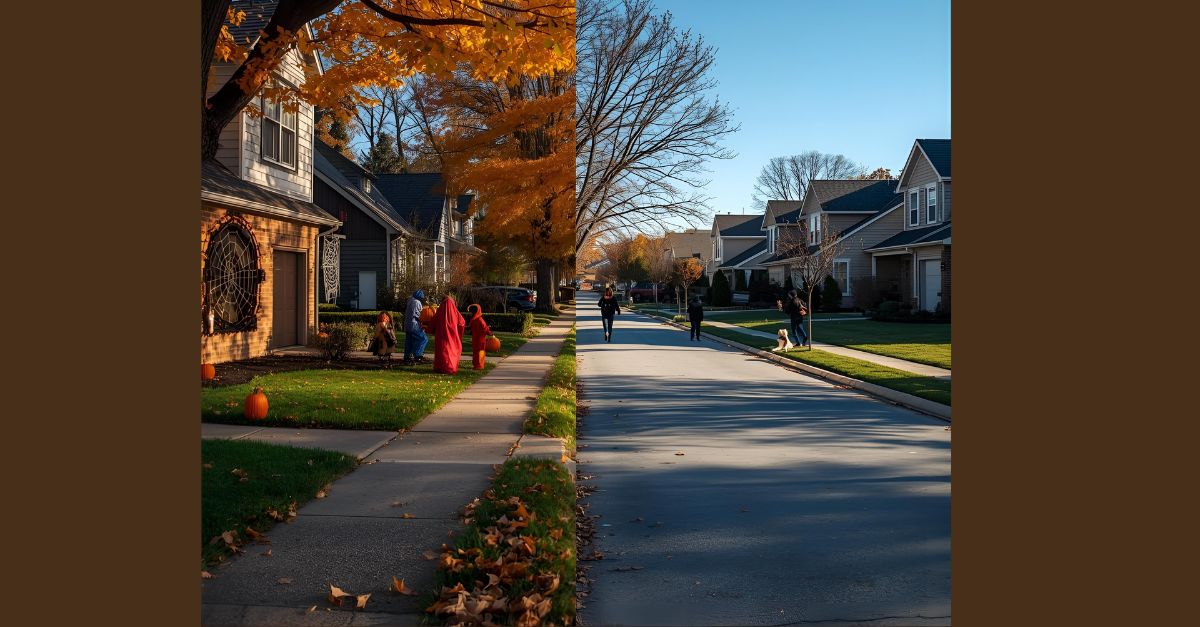
Is the Spirit of Halloween Fading? Insights from Military Communities and Beyond
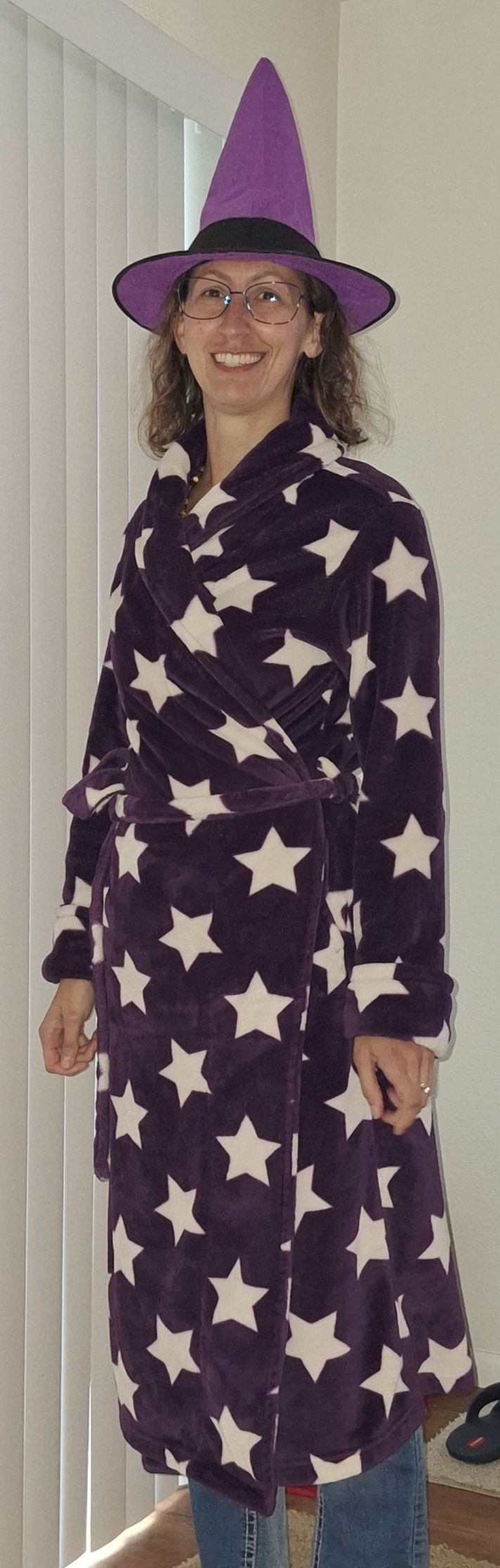
I was looking forward to Halloween this year—not just to see the kids dressed up and their excited faces when handing them a treat, but because it fell on a Friday night, which I hoped would draw more families out. We ate dinner early at 4:45 PM, and then I changed into my annual purple wizard outfit. The candy was in a bowl by the front door, and the outside house lights were on. I worked on client tasks while patiently waiting for the doorbell to ring.
As 6:00 PM rolled around, I closed my computer and settled on the couch. There was some confusion about when trick-or-treating officially started in our residential neighborhood, so I chalked up the slow start to that. By 6:45 PM, still no rings. I stepped outside to check if I could spot any trick-or-treaters, but the street was empty. Living at the end of the road gives a clear view down the way, yet I saw nothing. Only one other neighbor had their lights on, and another had left a bowl of candy out on a table. At 7:15 PM, I checked again with the same result. By 7:40 PM, I turned off the lights and put the candy away—trick-or-treating was supposed to end by 8:00 PM anyway.

That quiet evening left me feeling so sad. This was our last Halloween in military housing, and we didn’t have a single visitor. 🙁 It was a stark contrast to last year, when we had just five trick-or-treaters—a bit disappointing after three years overseas in Belgium, where Halloween isn’t widely celebrated. This got me reflecting: Could the shift toward community events be pulling families away from traditional door-to-door fun?
The Appeal of One-Stop Community Events
Building on my observations, it seems easier for parents to opt for organized gatherings, where everything is in one place. Our base hosted a Halloween event on October 24th, complete with activities, candy, and games for the kids. It’s a safe, structured alternative that might feel more appealing than wandering neighborhoods. Last year was similar, with a Fire Prevention Awareness parade—featuring fire trucks, ambulances, and police tossing candy—plus another community event. I wondered then if families were simply “candied out” from those pre-Halloween festivities, leaving little energy for the actual night.
In military communities like ours, these events make even more sense. There is heightened security protocols on base, a controlled gathering reduces risks and builds camaraderie. But while they foster community spirit, they might unintentionally dilute the classic thrill of trick-or-treating—those spontaneous interactions that create lasting memories.
Lingering Effects of COVID and Rising Costs
This trend toward safer, smaller settings could also stem from a lingering COVID-19 mentality. Even years after the pandemic, many families prefer staying within trusted circles or avoiding door-to-door visits altogether, opting for comfortable, low-exposure alternatives. In military communities, where bonds among families often grow strong through shared experiences like deployments and relocations, this preference might naturally lead to favoring organized events that bring everyone together safely.
Another factor adding to the fade? The price of candy. At Target, a 20.93-ounce bag goes for around $10.39, while Walmart’s 16.38-ounce option is $11.34. With inflation still biting, parents might skip stocking up for trick-or-treaters or choose cheaper alternatives like community events.
National trends echo this decline. A 2023 “USA TODAY online poll found about three-fourths (74%) of more than 17,000 respondents said they had fewer trick-or-treaters come to their home this year.” A recent 2025 article suggests the pattern continues, “The Halloween spirit is dying.”
Can The Traditional Halloween Spirit Be Kept Alive?
Is it possible to keep the knock on the door spirit of Halloween alive? Maybe I need to realize that this hybrid model of a community event is easier for families.
How has Halloween evolved in your neighborhood, whether military or civilian? Did community events steal the show this year, or have you noticed fewer kids due to costs or caution? Share your stories, thoughts, or photos.
Originally published on LinkedIn on November 3, 2025. [Read it here]