
Embracing Minimalist Living as a Military Spouse: Thriving Through Moves, Costs, and Change
When we got married in 2002, my sailor had just graduated from college, and we weren’t living together. When we made our first move, we had to start from scratch and buy everything. We rented a 690 sq ft apartment on the second floor of our building. We thought carefully about the furniture we bought: a futon to double as a living room sofa and spare bed if needed, a full-size bed (anything bigger would have made the space too tight once we added bureaus), a computer desk for a small office, a 4-seat dining room table that could expand to 6 seats with a leaf in case we had company, and a TV stand that perfectly fit the size of our TV. The other reason we didn’t purchase much was that we didn’t know how long we’d be in the area. As my sailor went through flight school, we knew we wouldn’t be in one place for too long. As expected, we ended up moving three more times by March 2005. Our first move where we stayed longer than 10 months was to Hawaii. Before heading there, we purchased two couches and an additional bed from a hotel liquidation sale. We hoped that since we’d be “settled” longer, we’d have a bigger place. At this point, my sailor had also been promoted, so we felt we could afford to spend on additional furniture. The other thing is that based on his new rank we were also bumped into the next weight limit allowance tier based on DoJ Joint Travel Regulations.
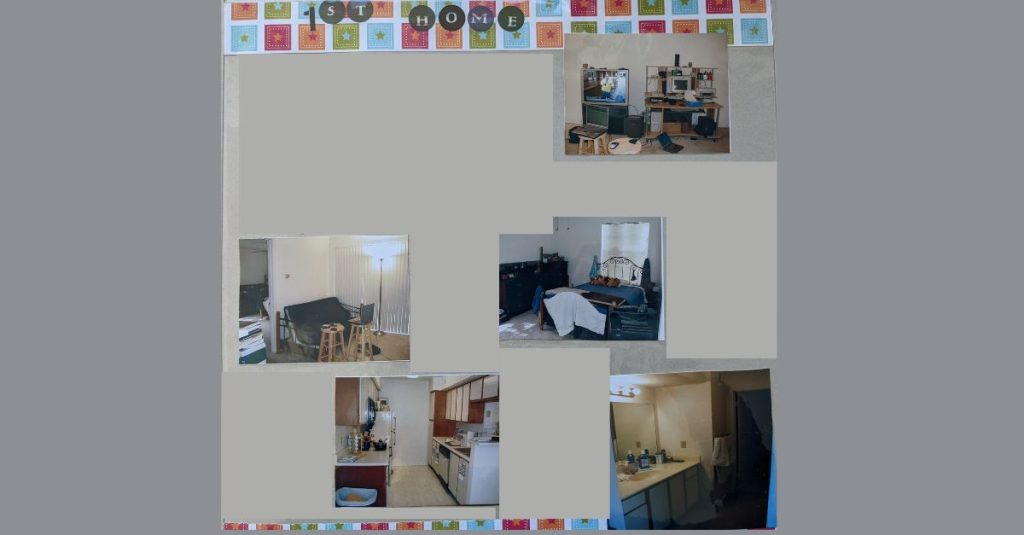
In 2014, before we made yet another cross-country move, we decided to have a yard sale and sell the extra items. We didn’t have the yard sale just because we were moving, but because we were going to do a do-it-yourself (DITY) move. We were going to have to pack everything ourselves and pay to put it all in storage for a couple of months. We decided on a DITY move because my husband was heading off to “arduous sea duty.” This next assignment was going to start with him on deployment. Instead of moving right away, I decided to make the trip halfway across the country and spend a couple of months with my parents. I didn’t want to move to a new location without knowing anyone, having to find a place myself, and spending the holidays alone. This downsizing gave us flexibility for the situation and allowed us the option to live in a smaller home if necessary.
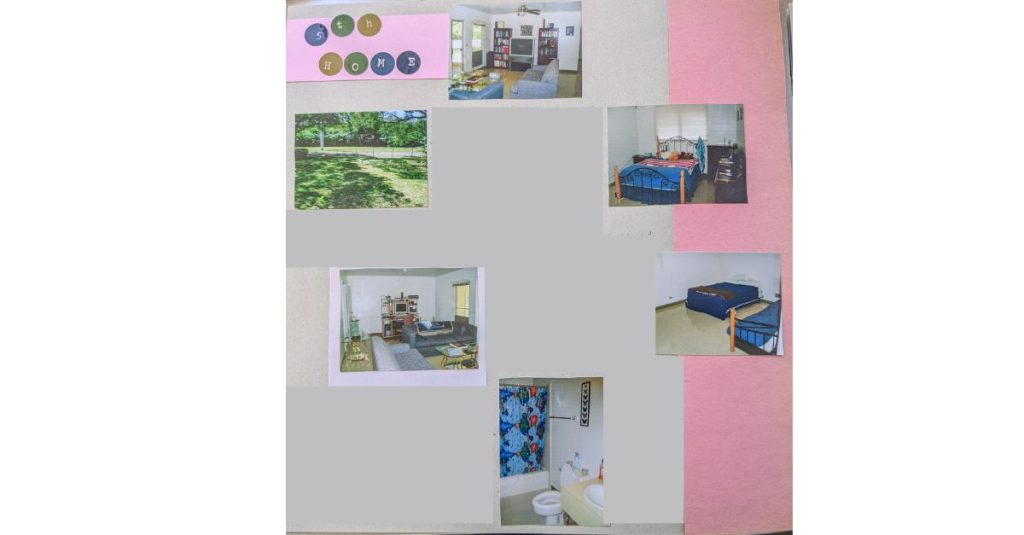
That realization grew stronger during our preparation for my husband’s overseas assignment to Belgium, where voltage differences forced even tougher decisions about what to keep. In 2021, as we prepared for the move to Belgium, we sold more items than we wanted. There were items we had that weren’t going to work in Belgium, and we knew the cost of paying for a storage unit for three years wasn’t going to be worth it—items might not work once pulled out of storage, and we didn’t know where in the States we were going to live next. For example, gas appliances are more common on the West Coast than the East Coast. Upon moving to Belgium, we noticed some significant differences between European homes and American homes. European homes don’t have closets or storage space. We actually had to borrow wardrobes from the DoD, just like we borrowed a washer and dryer. Borrowing these items saved us some money because we didn’t need to purchase them and then sell them when we left.
As we navigated these overseas challenges, the rising cost of living back home made our minimalist habits even more crucial. From July 2002 to July 2025, the U.S. Consumer Price Index (CPI) has increased by approximately 79%. For military families facing frequent moves and variable Basic Allowance for Housing (BAH), this inflation is hard, especially when the military spouse employment rate is at 23% (Blue Star Families Military Lifestyle Survey 2024) but by channeling rank pay bumps into retirement savings rather than upsizing our lifestyle, we stayed ahead. We enjoyed vacations without overspending, proving that living within our means wasn’t just practical; it was empowering. This mindset proved invaluable in 2009, when we purchased our first home just after the housing bubble burst and the market crashed. Buying at that time could have been risky. But our commitment to minimalism—avoiding unnecessary debt and focusing on affordability—helped us weather the downturn without overextending. That home we bought was a foreclosure, which offered significant savings compared to the average market price at the time, potentially saving us thousands. It reinforced the value of prioritizing financial stability over accumulating more possessions, especially as military life threw curveballs like deployments and relocations our way.
As we approach my husband’s retirement and our final PCS, that minimalist foundation has paid off in ways we never fully anticipated. For this last move, we shipped just 4500 lbs of household goods—a fraction of what many families accumulate—thanks to years of intentional purging, borrowing essentials, and focusing on what truly adds value rather than volume. It’s a testament to thriving amid change: fewer possessions mean less stress, more savings, and greater freedom to embrace whatever comes next. Whether you’re a military spouse navigating your next duty station or anyone facing life’s transitions, what’s one minimalist habit you’ll adopt? Share in the comments below—let’s inspire each other!
Originally published on LinkedIn on November 10, 2025. [Read it here]